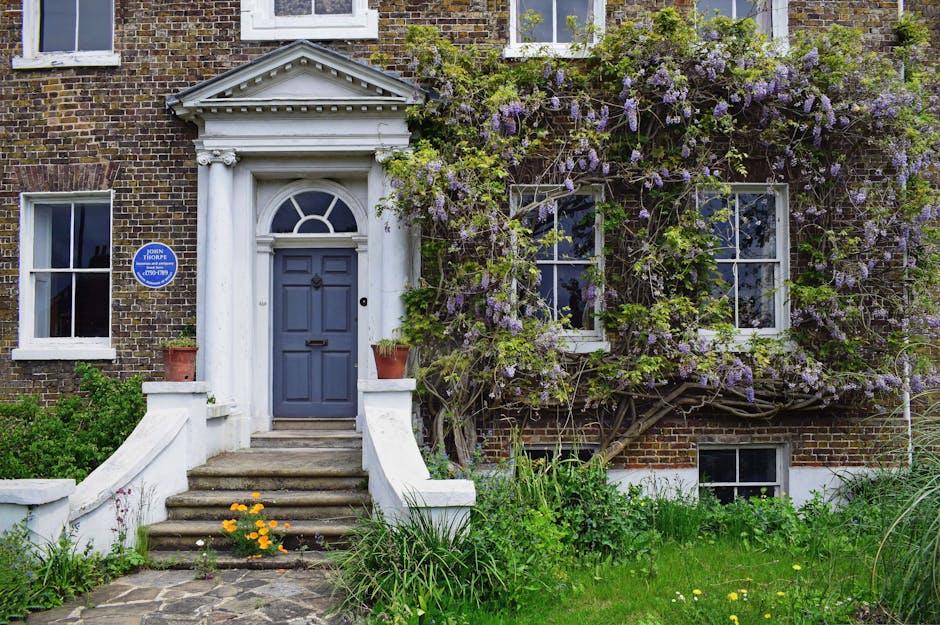
Top gardeners for Chiswick High Road small front gardens
Small front gardens on Chiswick High Road have a very specific job to do. They need to look smart from the pavement, cope with London weather, stay easy to maintain, and make the home feel cared for without taking over your week. That sounds simple enough, but in practice it can be fiddly. Tight access, shaded spots, awkward steps, boundary lines, and neighbours walking past every few minutes all shape what works and what doesn't.
This guide looks at what makes the top gardeners for Chiswick High Road small front gardens stand out, how to choose the right help, and what good garden care actually looks like in a compact urban space. Whether you need a one-off tidy-up, seasonal planting, or regular maintenance, the goal is the same: a front garden that looks neat, welcoming, and quietly polished. Not overdone. Just right.
And yes, small gardens can be a bit deceptive. A tiny front plot can take more thought than a larger one. Less room means every plant, edge, and surface is visible. The upside? A good gardener can make a small space look twice as good with half the clutter.
Table of Contents
- Why Top gardeners for Chiswick High Road small front gardens Matters
- How Top gardeners for Chiswick High Road small front gardens Works
- Key Benefits and Practical Advantages
- Who This Is For and When It Makes Sense
- Step-by-Step Guidance
- Expert Tips for Better Results
- Common Mistakes to Avoid
- Tools, Resources and Recommendations
- Law, Compliance, Standards, or Best Practice
- Options, Methods, or Comparison Table
- Case Study or Real-World Example
- Practical Checklist
- Conclusion
- Frequently Asked Questions
Why Top gardeners for Chiswick High Road small front gardens Matters
A front garden is the first thing people notice. On a busy stretch like Chiswick High Road, that first impression matters even more because the space is always in view. A tidy, well-planned frontage can lift the whole property. It can also make day-to-day life easier, which is often the part people forget when they start thinking only about looks.
Small front gardens need a different approach from larger back gardens. You usually want restraint, not excess. One badly chosen plant can crowd the whole space. One poor pruning job can make the whole frontage look lopsided for months. That's why people looking for the top gardeners in this setting usually want more than basic mowing. They want judgement. A steady hand. Someone who can look at a compact patch and see proportion, access, light, and maintenance all at once.
There's also the local context. Chiswick has a mix of period homes, converted flats, terraced houses, and townhouses, so front gardens often have kerbs, low walls, pathways, and visible boundaries. That means the work needs to respect the style of the building as much as the planting itself. To be fair, that is where a skilled gardener really earns their keep.
If you're comparing options, it helps to look at a provider's wider service range too. A team that understands everything from seasonal care to tidy-ups and ongoing maintenance will usually be better placed to handle the small details that matter. You can get a sense of that by reviewing the services overview and seeing how the work fits into a broader maintenance plan.
How Top gardeners for Chiswick High Road small front gardens Works
Good front-garden care starts with observation. Before any cutting or planting happens, the gardener should look at light levels, soil condition, drainage, the shape of the front boundary, and how the space is used. Is it purely decorative? Does it need to tolerate foot traffic? Is it shaded by the building, or does it get full sun in the morning and then go quiet by noon? These details change the plan.
In a small front garden, the work often falls into a few practical categories:
- Structure: keeping paths, edging, and borders clean and well-defined
- Planting: choosing compact, seasonal, or evergreen plants that suit the space
- Maintenance: pruning, deadheading, feeding, and weed control
- Presentation: making sure the garden looks balanced from the street
The best gardeners don't simply "do the job" and leave. They think in layers. A small bay-fronted garden, for example, may need low planting near the window line so it doesn't block light, with slightly taller structure near the edges. A narrow frontage might benefit from one strong focal point instead of several small ones competing for attention. Little decisions like that make a big difference.
There is also the matter of timing. Some jobs are best done regularly, while others make sense seasonally. A spring refresh, for instance, can be ideal for clearing winter damage, replacing tired bedding, and setting the garden up for the brighter months. Later in the year, the focus may shift to trimming, leaf clearance, and keeping everything neat through wetter weather.
If you're working with a professional service, it's sensible to check how they handle communication, booking, and expectations. Clear terms matter, especially for recurring visits or larger overhauls. Pages like pricing and quotes and terms and conditions are useful because they help you understand what is included before work starts.
Key Benefits and Practical Advantages
The strongest reason to hire a skilled gardener for a small front garden is simple: they save you from expensive little mistakes. A plant that grows too large, a border that gets overworked, or a half-finished clean-up can make a compact garden look worse very quickly. In a small space, there's nowhere for errors to hide.
Here are the main practical benefits:
- Better kerb appeal: a well-kept front garden makes the whole property feel more inviting
- Less ongoing work: good design and maintenance reduce the weekly faff
- Smarter use of space: every square metre works harder
- Healthier plants: the right planting and pruning habits reduce stress on shrubs and flowers
- Cleaner boundaries: neat edges and paths make the space feel orderly
- Seasonal flexibility: the garden can be adjusted for shade, rain, and changing conditions
There's also a psychological benefit, if we're honest. A tidy front garden changes how a home feels when you come back to it. You notice it in the small way the path looks after rain, or the way the planting softens the frontage in the evening. It's one of those things that quietly improves daily life.
A good gardener can also help with sustainability. That might mean choosing lower-maintenance planting, reusing healthy material, composting where appropriate, or advising on greener care routines. If that matters to you, take a look at the approach explained in recycling and sustainability.
Expert summary: For small front gardens on Chiswick High Road, the best gardeners are usually the ones who balance appearance, practicality, and restraint. They make the space look finished without crowding it, and they keep future maintenance realistic rather than optimistic. That's the sweet spot.
Who This Is For and When It Makes Sense
This kind of gardening service suits a lot of local property owners and tenants, but especially people who want the frontage to stay sharp without spending every weekend on it. If your garden is visible from the street, used as a welcome point, or part of a building's overall presentation, professional help can make sense quite quickly.
It is a strong fit if you:
- have a small front garden that looks tired or cluttered
- struggle to keep on top of weeds, pruning, or seasonal planting
- want a more polished look for a home sale, letting, or general presentation
- live in a property where access is awkward or space is tight
- prefer a calm, repeatable maintenance routine rather than one-off rescue jobs
It also makes sense if you've tried to do everything yourself and realised the space just needs a bit more judgement. Not more effort, necessarily. Better decisions. That's often the difference.
A quick anecdote. We've seen small front gardens on streets like Chiswick High Road transformed by nothing more dramatic than removing one overlarge shrub, improving edging, and replacing patchy planting with something lower and neater. No big redesign. No expensive hard landscaping. Just thoughtful work and a sense of proportion. Sometimes that's all it takes.
Step-by-Step Guidance
If you want a better result from a gardener, or you want to understand what should happen during a proper front-garden visit, this is the practical sequence to look for.
- Assess the space carefully. Check what gets sun, where water sits after rain, and how much room plants actually have to grow.
- Clear the clutter first. Remove dead growth, fallen leaves, broken stems, and anything blocking the view of the garden.
- Define the edges. Crisp borders and clean lines make small spaces look far more intentional.
- Prune for shape, not just size. A plant should be balanced, not hacked into submission. There's a difference.
- Choose compact planting. Pick species and varieties that suit the scale of the frontage and the available light.
- Mulch or feed where needed. This helps protect soil and support healthier growth, especially in exposed areas.
- Review access and upkeep. Make sure the plan will still work after a month or two, not just on day one.
- Schedule follow-up care. Small gardens often look best with regular light maintenance rather than occasional heavy intervention.
When gardeners work methodically, the results tend to last longer. A rushed job can look decent for a week and then unravel. A proper setup keeps the garden neat between visits, which is really what most people want.
If you're unsure where to start, ask for a clear quote and a simple explanation of the proposed work. That's a good sign in itself. You can also compare service expectations through the contact page once you know what you need.
Expert Tips for Better Results
Good gardeners tend to think in layers, and small front gardens reward that approach. Here are a few practical tips that make a noticeable difference.
1. Keep the planting palette controlled
Three or four well-chosen plant types often look stronger than a mixed jumble. In a small space, harmony wins. Every time.
2. Match the style of the house
A neat Victorian frontage usually wants a different feel from a modern townhouse. The best work respects the architecture instead of fighting it.
3. Don't let shrubs bully the path
In narrow front gardens, shrubs grow into walkways faster than people expect. Regular shaping prevents the "why is this bush in my face?" moment that happens more often than it should.
4. Use evergreen structure sparingly
Evergreens are useful because they hold the space together through winter, but too many can make a small front garden feel heavy. Balance matters.
5. Choose maintenance levels honestly
If you know you won't keep up with weekly fussing, don't choose a design that expects it. A lower-maintenance planting plan is usually better than an ambitious one that slowly goes downhill.
It also helps to choose a gardener who takes safety and professionalism seriously. If tools, ladders, fuel, or sharp equipment are involved, that matters. You can review a provider's approach via their insurance and safety information and health and safety policy. That's not box-ticking. It is peace of mind, plain and simple.
Common Mistakes to Avoid
Small front gardens are easy to damage by accident. Most problems come from trying to do too much, too fast, or picking the wrong plants for the site. Here are the mistakes that show up again and again.
- Overplanting: too many plants create a crowded look and make maintenance harder
- Choosing large species: what looks lovely in the nursery can become awkward in a tight frontage
- Ignoring light levels: shade-loving and sun-loving plants are not interchangeable, unfortunately
- Weak edging: poor borders make the garden look unfinished even if the planting is fine
- Too much hard pruning: heavy cuts can leave a garden bare and ugly for months
- Forgetting drainage: front gardens near pavements or steps can become soggy if water has nowhere to go
- Using one-off fixes only: without follow-up care, small spaces regress quickly
Another common slip is designing for the best day of the year, not the average one. Summer blooms are lovely. November rain and a bit of wind are more honest. A good gardener plans for the ordinary days, because that is when the garden will be seen most often.
And yes, there's a bit of pride involved. If your front garden is visible every day, "good enough" usually doesn't feel good enough for long.
Tools, Resources and Recommendations
You don't need a shed full of kit to maintain a small front garden, but the right tools do make a difference. For homeowners who like to do some of the work themselves between visits, these are the basics:
- Secateurs: for neat trimming and deadheading
- Hand fork and trowel: useful for small borders and replanting
- Lightweight shears: handy for shaping without overcutting
- Spade or border spade: for edging and soil work
- Watering can or hose setup: for targeted watering, especially during dry spells
- Gloves and kneeling pad: small comfort, big difference
For many people, though, the best resource is not a tool. It is a sensible service plan. If you know the garden needs regular care, ask whether visits can be structured around the season rather than treated as random one-offs. That often produces better value and a better-looking space.
When comparing providers, a few pages are worth checking because they signal how the business works in practice. For example, pricing and quotes can help set expectations, about us gives context on the team, and services overview helps you understand the scope of support available. Small details, but they matter.
Law, Compliance, Standards, or Best Practice
For garden maintenance in a residential setting, the main compliance issues are usually practical rather than complicated. Safety, access, insurance, waste handling, and clear communication matter most. If a gardener is working near paths, steps, driveways, or public-facing areas, careful working practices are sensible. In London, that becomes even more relevant because space is often tight and visibility is high.
Good practice usually includes:
- using equipment appropriately and keeping it in safe condition
- managing waste responsibly
- protecting neighbouring property and shared access areas
- working within agreed boundaries and instructions
- being clear about what is and is not included in the service
If you are comparing companies, ask about insurance, safety processes, and complaint handling. These are not the glamorous parts of the job, but they tell you a lot about professionalism. A transparent provider should be comfortable explaining them. You can review relevant support pages such as insurance and safety and the complaints procedure if you want to understand how issues are handled.
There is also a simple customer-side best practice: be clear about access, pets, parking, gates, and any fragile planting before work starts. It saves everyone time. And probably one awkward conversation too.
Options, Methods, or Comparison Table
Different front gardens need different levels of care. The right choice depends on budget, time, and how much control you want over the look of the space. Here's a straightforward comparison.
| Approach | Best for | Advantages | Trade-offs |
|---|---|---|---|
| One-off tidy-up | Overgrown or neglected small front gardens | Fast visual improvement, good for reset jobs | Needs follow-up or the garden drifts back |
| Seasonal refresh | Homeowners who want a tidy garden through spring, summer, or autumn | Good balance of cost and results | Less control between visits |
| Regular maintenance | Visible front gardens that need to stay consistently neat | Reliable presentation, less stress, fewer surprises | Ongoing commitment and scheduling |
| Light-touch self-maintenance with occasional professional input | People happy to do small tasks themselves | Flexible, cost-conscious, hands-on | Results depend on consistency and confidence |
For most small front gardens on Chiswick High Road, regular maintenance or seasonal refreshes tend to work best. They keep the place looking intentional without turning it into a weekend project that never ends. Let's face it, that's what most people want.
Case Study or Real-World Example
Imagine a compact front garden set back from the pavement with a short path, two boundary beds, and a tired evergreen that has outgrown its spot. The garden isn't a mess, exactly, but it looks a bit flat. The edges are soft, the soil is visible in patches, and the planting feels too random for the size of the space.
A good gardener would likely start with a clean-up, then reduce the overgrown shrub, sharpen the edging, remove weak or messy growth, and introduce a more balanced planting mix. In a small frontage, that might mean replacing scattered plants with a couple of stronger structural choices and a seasonal underplanting to soften the look. The result would be calmer and more considered, not busier.
What changes most is not only the appearance but the way the space behaves. Rainwater settles more predictably. The path is easier to keep clear. Maintenance becomes a short, manageable visit instead of a battle. And from the street, the whole house looks more settled. You can almost feel the difference on a damp morning when the pavement is still shiny and the hedging has just been trimmed.
That sort of improvement is exactly why local expertise matters. A gardener who understands small urban front gardens will usually make fewer dramatic moves and more precise ones. That's the smarter way, truth be told.
Practical Checklist
Use this checklist before you hire someone or before you ask for a quote.
- Is the garden genuinely small and space-constrained, needing a tailored approach?
- Do you want a one-off tidy, seasonal reset, or regular maintenance?
- Have you noted sunlight, shade, drainage, and access issues?
- Are you clear on any plants you want to keep?
- Do you know whether the space should feel formal, natural, or minimal?
- Have you checked if the service includes pruning, weeding, edging, and waste removal?
- Have you looked at the provider's safety, insurance, and customer support information?
- Do you understand the pricing structure before work begins?
- Are you comfortable with the proposed maintenance frequency?
- Will the finished look suit the house and the street?
If most of those boxes are ticked, you're in good shape. If not, pause and clarify things first. A little preparation goes a long way here.
Conclusion
Finding the top gardeners for Chiswick High Road small front gardens is really about finding someone who understands scale, simplicity, and consistency. Small front gardens do not need a dramatic makeover every time. They need careful choices, clean edges, the right plants, and maintenance that fits real life. That's what makes them look good week after week, not just on the day the work is done.
When you choose well, you get more than a neat frontage. You get a space that feels easier to live with, better to look at, and more in tune with the character of the property. It's a modest thing on paper, maybe. But outside your door every morning, it makes a bigger difference than people expect.
Get a free quote today and see how much you can save.
For a straightforward next step, explore the team's contact options and see how your garden could be handled with a bit more care and a lot less fuss.
Frequently Asked Questions
What makes a gardener suitable for a small front garden on Chiswick High Road?
The best fit is usually someone who understands compact spaces, street-facing presentation, and maintenance that stays realistic. Small front gardens need proportion, tidy finishing, and a light touch rather than heavy-handed work.
How often should a small front garden be maintained?
That depends on planting style and exposure, but many front gardens benefit from regular light maintenance rather than rare big clear-ups. If the space is very visible, monthly or seasonal visits often make sense.
Can a small front garden still look interesting without being crowded?
Yes. In fact, small spaces often look better when the planting is controlled and intentional. A few strong plants, clean edging, and a simple structure usually work better than lots of competing elements.
What should I ask for in a quote?
Ask what is included, whether waste removal is covered, how often visits are recommended, and whether pruning, weeding, and edging are part of the service. Clear pricing avoids awkward surprises later on.
Is a one-off tidy-up enough?
It can be, if the garden only needs a reset. But if the frontage is visible every day, regular maintenance usually gives better long-term results. A one-off tidy is a good start, not always the whole answer.
Do small front gardens need specialist design?
Not always specialist in the grand, formal sense, but they do need a thoughtful approach. The smaller the garden, the more important it is to choose plants and layouts that suit the actual space.
What are the most common problems in front gardens on busy London roads?
Common issues include overgrown shrubs, poor drainage, shade from buildings, cluttered planting, and a lack of clear boundaries. Street-facing gardens also tend to show wear faster because they are always visible.
Should I worry about insurance and safety?
Yes, especially if equipment, ladders, steps, or tight access are involved. A professional service should be able to explain how it manages safety and insurance, which is reassuring for both sides.
Can gardeners help make a front garden lower maintenance?
Absolutely. They can suggest better plant choices, simpler layouts, and pruning schedules that reduce ongoing work. Lower maintenance is often the smartest choice for small urban gardens.
What if I only need help with tidying, not full redesign?
That is very common. Many small front gardens just need edging, pruning, weed control, and a bit of shape restored. You do not need a major redesign to see a big improvement.
How do I compare gardeners fairly?
Compare the clarity of their quote, the scope of their services, how they talk about maintenance, and whether they provide useful information about safety and customer care. The cheapest option is not always the best value.
Where can I learn more about the service and the company?
It helps to review the about us page for background, the services overview for scope, and the pricing and quotes page if you're ready to plan next steps.